What Makes A High-Performance Motorcycle Display?
Six Core Capabilities You Should Know
In today's era of intelligent mobility, the display panel on electric scooters and motorcycles is no longer just a simple speedometer. It has evolved into a smart control center — integrating information display, rider interaction, and real-time safety alerts.
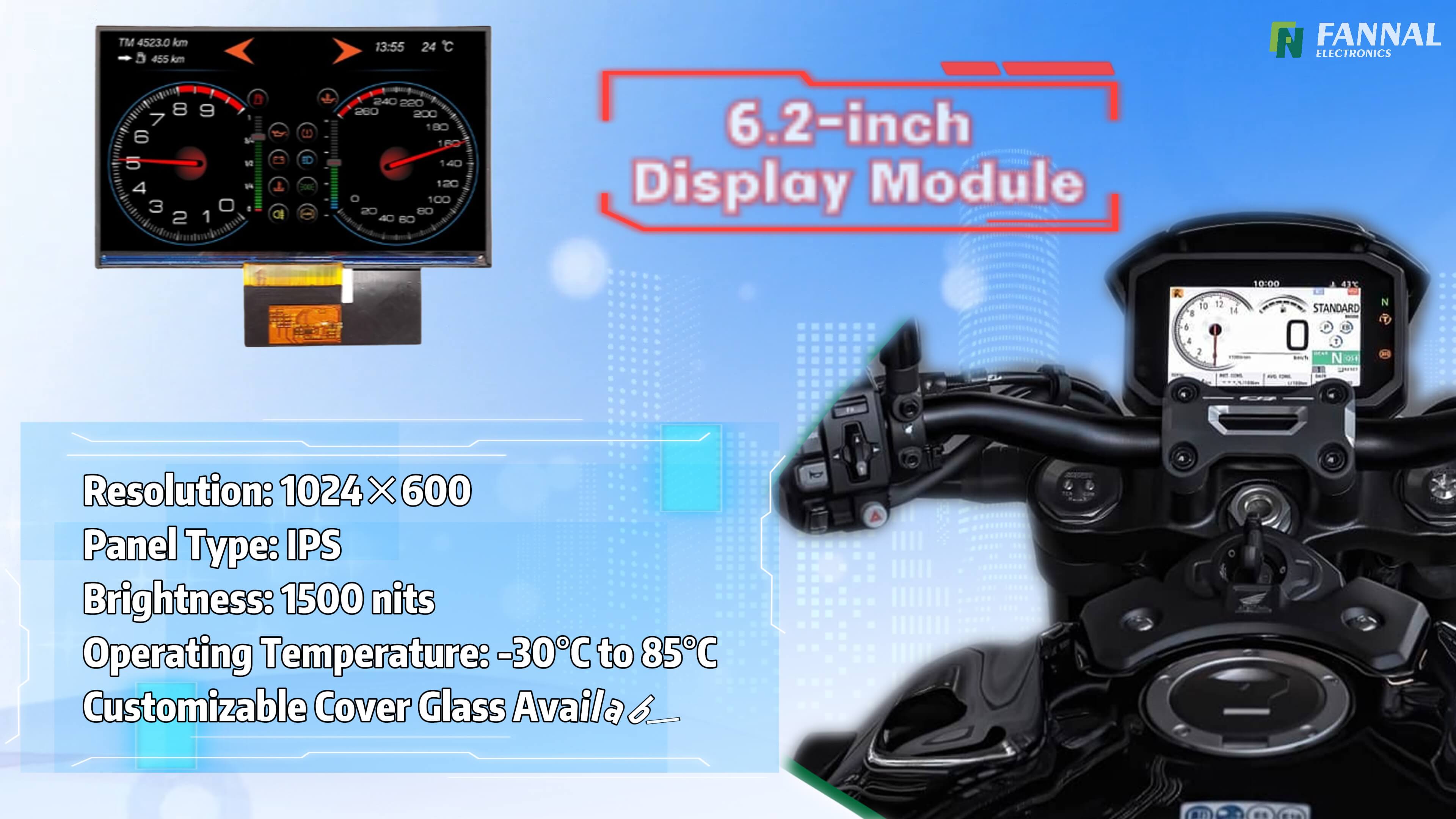
But what does it really take to make a high-performance motorbike display or motorcycle display that stands up to real-world use?
Here are the six key capabilities that define a next-generation two-wheeler display system:
1. Readability Under Any Condition: High Brightness for Outdoor Use
Motorcycles and electric scooters are mostly used outdoors. Displays must remain clearly visible in direct sunlight or rainy weather.
A quality automotive display should offer:
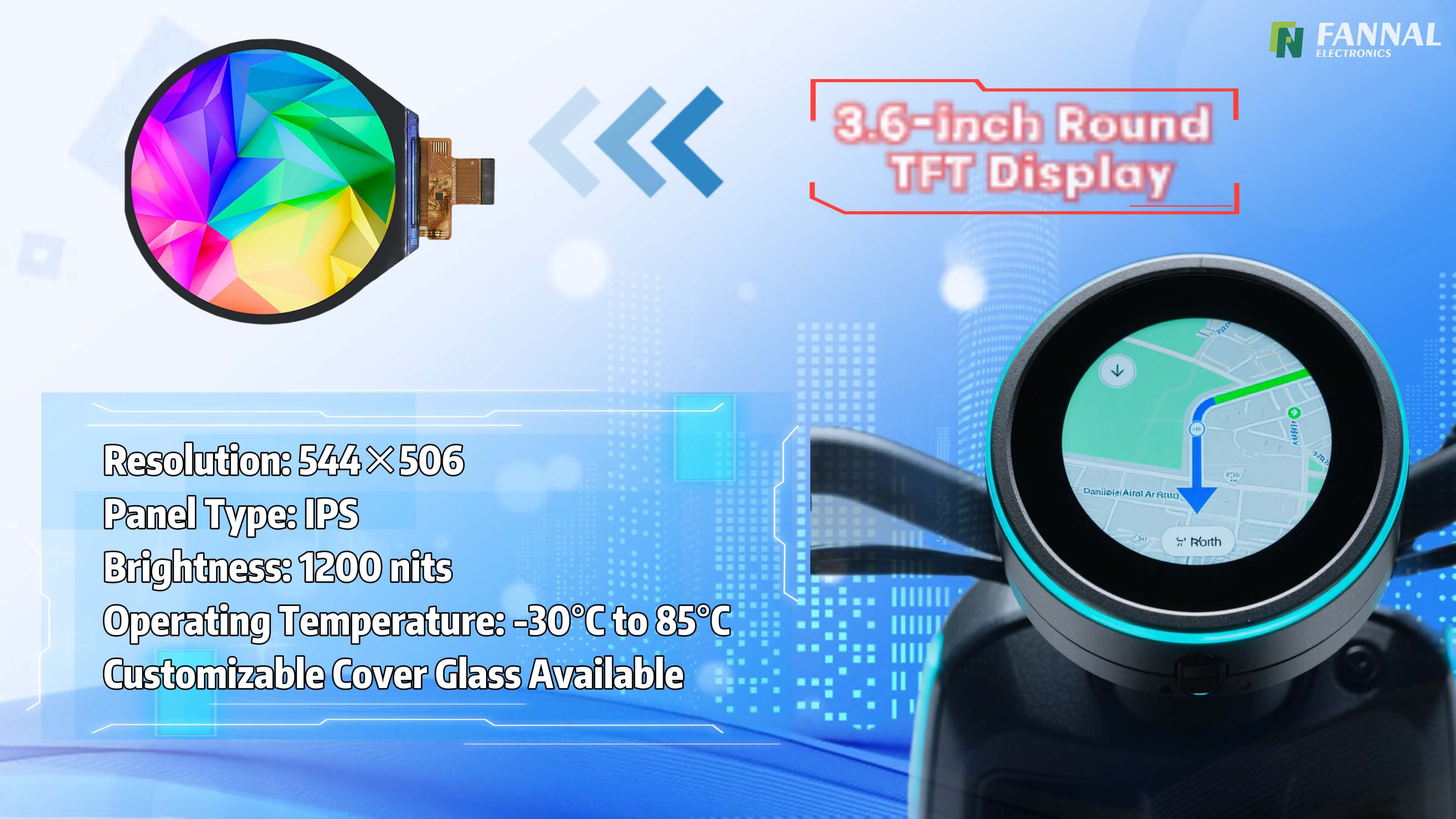
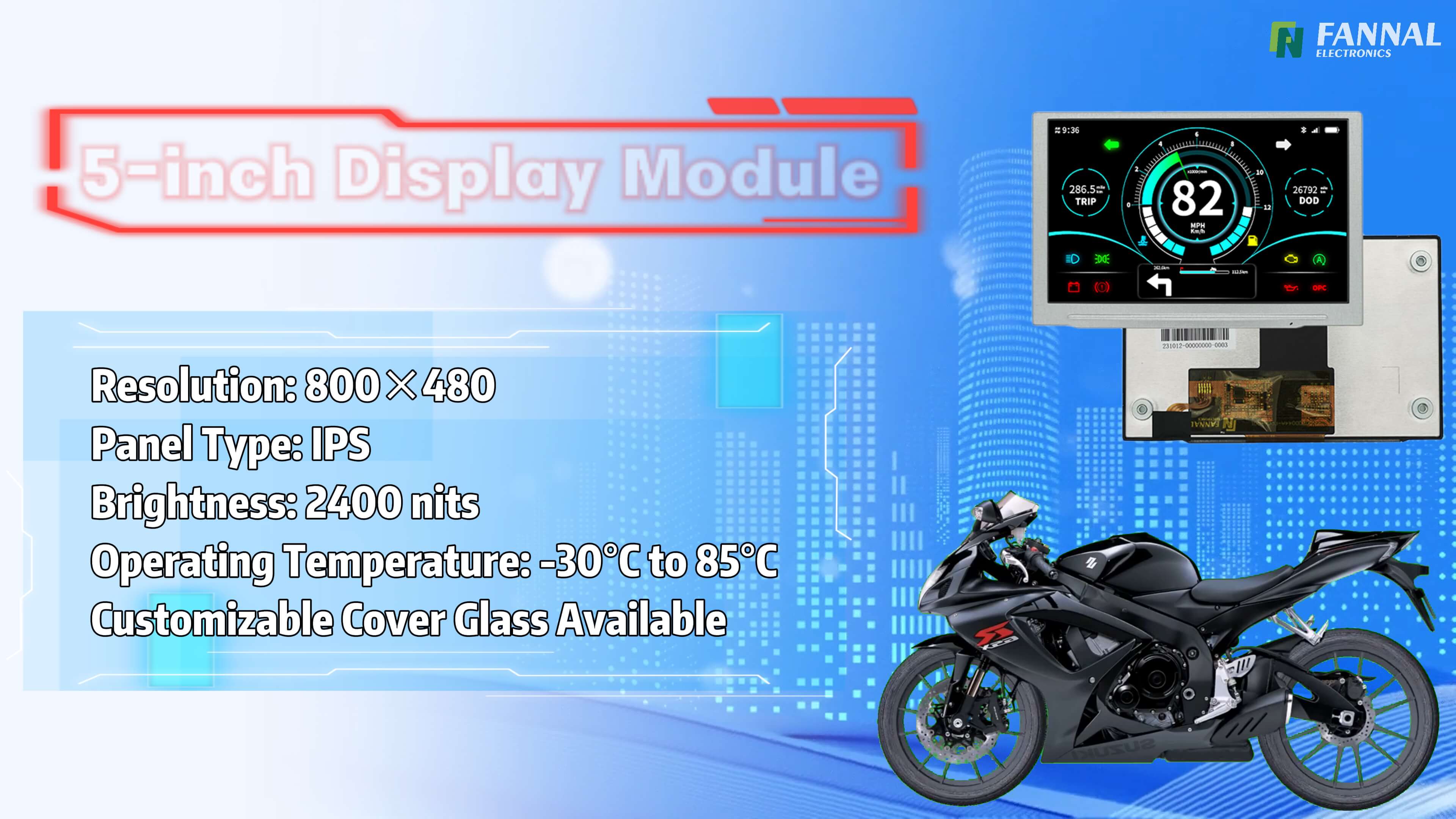
Brightness above 1000 nits
Optical bonding to reduce glare and reflections
Enhanced readability in high ambient light environments
2. Built for Rough Roads: Vibration, Water, and Impact Resistance
Compared to cars, motorbike displays face far more demanding conditions.
A robust motorcycle display should:
Withstand constant vibration without loose connections or display flicker
Feature anti-scratch cover glass, ideally tested to IK protection standards
Offer at least IP65/IP67 water and dust protection, ensuring full functionality in rainy conditions
3. Touch-Ready, Even with Gloves or Wet Hands
With more two-wheeler models integrating smart functions like GPS, Bluetooth, and ride mode switching, touch interaction is becoming a standard.
A premium motorbike display must support:
Glove operation (for both winter and riding gloves)
Wet hand touch sensitivity
Responsive performance even in humid or rainy weather
4. Sharp Graphics: High Resolution for Modern UI
Modern displays aren't just about numbers — they show maps, animations, and full graphical user interfaces.
A suitable display should offer:
Resolution of 1024×600 or higher
IPS technology for wider viewing angles and vivid colors
Smooth UI transitions and sharp readability at all angles
5. All-Weather Operation: Wide Temperature Tolerance
Two-wheelers are exposed to open environments all year round. Displays must operate reliably in extreme temperatures.
Top-tier automotive displays should work in:
-30°C to +85°C, ensuring stable performance in both winter and summer
Frost-resistant, anti-fog solutions for northern climates
6. Why Fannal? Our Display Expertise for Two-Wheelers
At Fannal, we specialize in custom touch and display modules for the mobility and industrial sectors.
For the motorcycle display market, we’ve delivered tailored solutions to leading two-wheeler manufacturers across Europe and Asia.
Key strengths of our motorbike display technology:
Up to 6mm thick cover glass, certified to IK10 impact standards
Optical bonding for sunlight visibility + anti-reflection
Full support for wet touch and glove operation
Customisation available for curved, asymmetric or shaped displays
Whether you're building an e-scooter, gas-powered motorbike, or smart motorcycle dashboard, a durable and high-performance display is key to both user experience and brand perception.
Looking for a reliable custom solution for motorcycle displays? Contact Fannal today to learn more.


Comments
Post a Comment